Best GPS Tracker Tested: What Makes a Good GPS Tracker?
GPS trackers offer a practical way to locate and monitor vehicles, valuables, pets or people. But which device is the best – and what really matters when comparing them?
What Is a GPS Tracker and What Is It Used For?
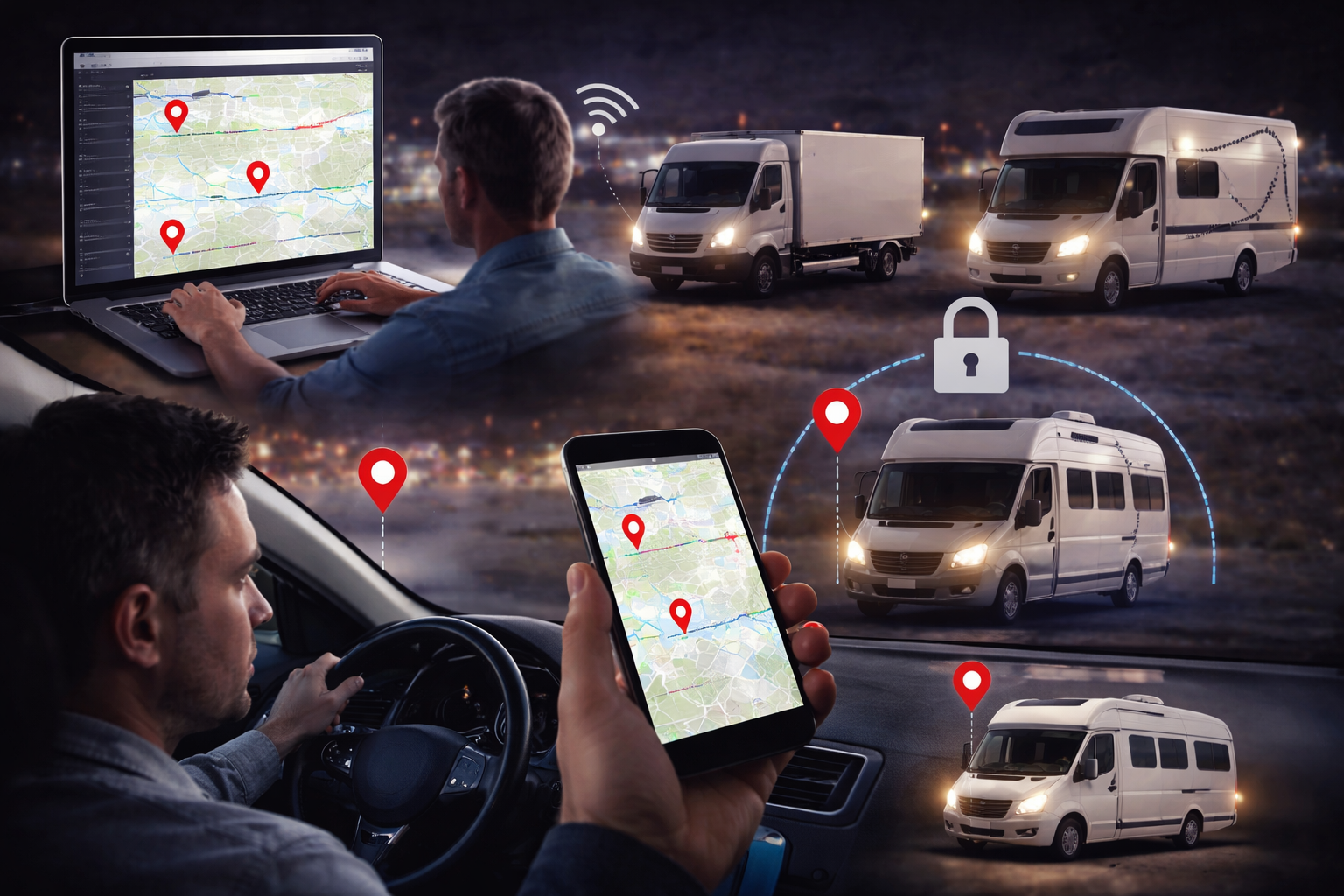
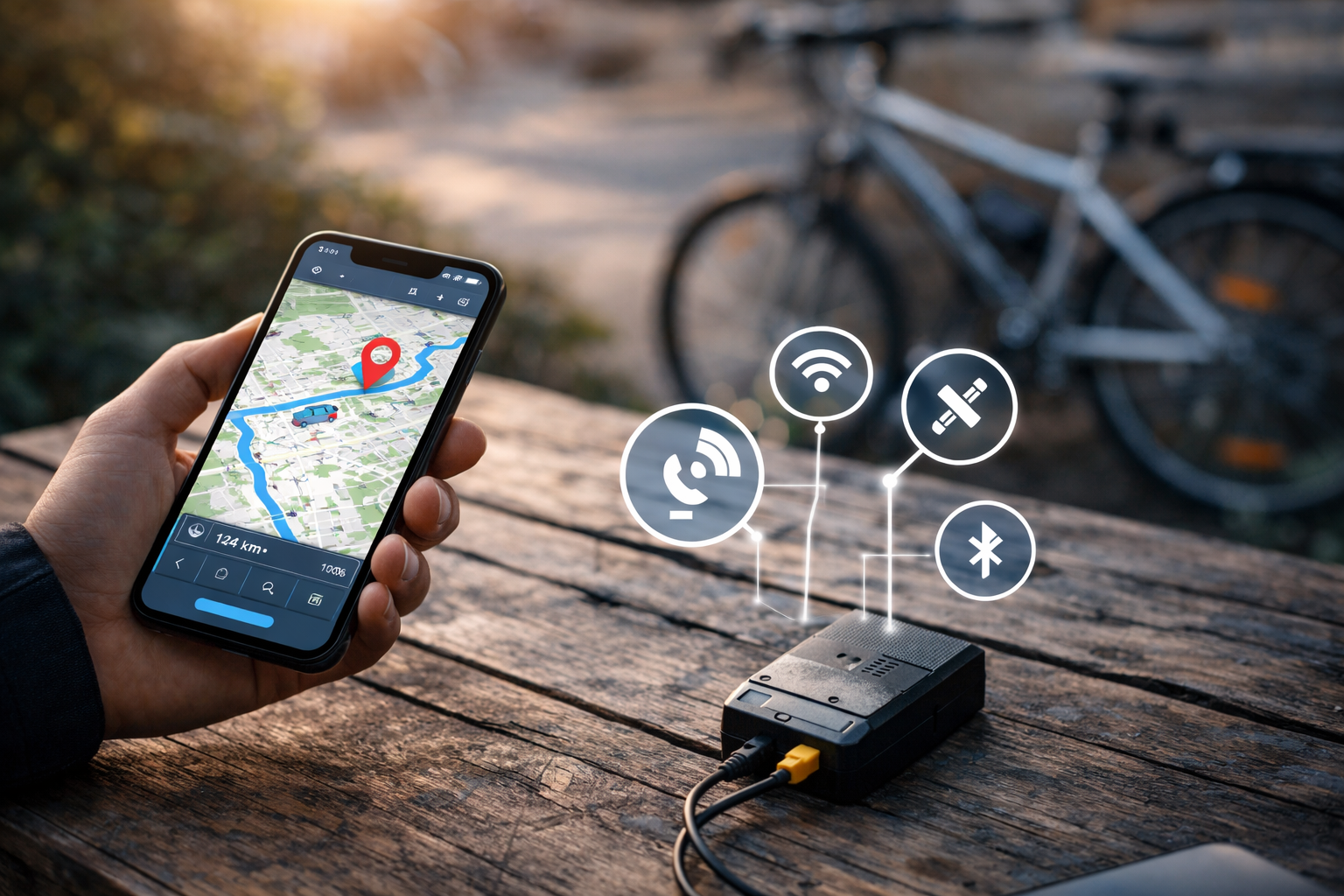
A GPS tracker is a compact electronic device that uses satellite signals to determine the precise location of an object and transmits the data via mobile network to an app or web portal. Typical use cases:
- Vehicle monitoring – track location and journeys at any time, ideal for fleet management and theft protection
- Personal safety – transmit real-time location of children or elderly people to family members
- Pet monitoring – locate a pet if it runs away or enters an unsafe area
- Theft protection for valuables – recover stolen items more quickly
Key Criteria in a GPS Tracker Test
Accurate Real-Time Tracking
The core function of any GPS tracker: the current location must be reliably and accurately retrievable in the app or web portal at any time – to within a few metres.
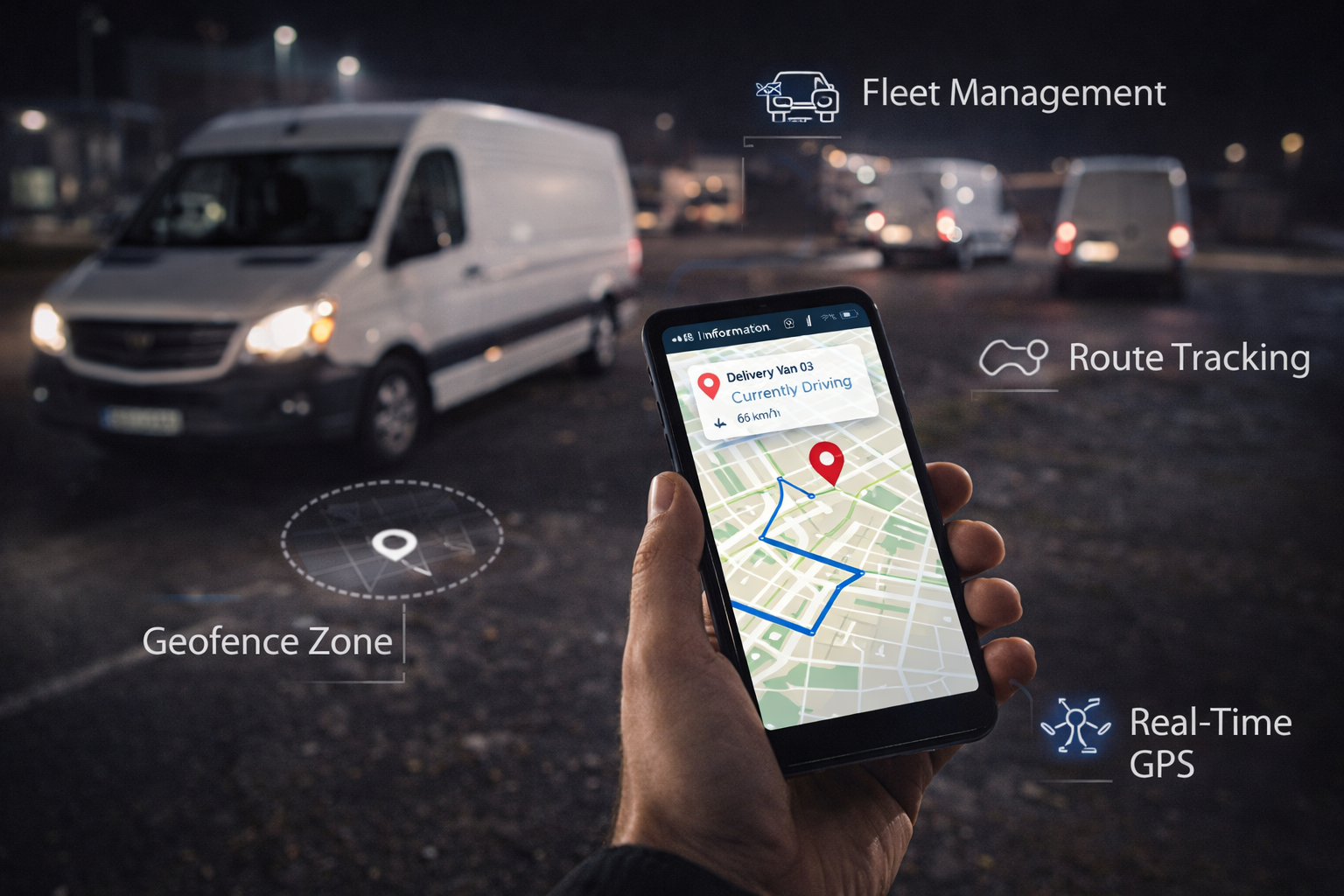
Geofencing
Define virtual zones that trigger an immediate notification by email or SMS when crossed. Particularly relevant for monitoring children, pets and vehicles.
Battery Life
A long operating time is crucial – especially for mobile use with people and pets, where frequent recharging is impractical.
Size, Weight and Installation
Compact, lightweight devices can be discreetly hidden in vehicles or unobtrusively attached to a collar. For vehicles: plug-and-play (OBD) vs. hardwired installation.
Notifications and Alerts
High-quality trackers automatically send alerts for unusual activity – such as unauthorised vehicle movement, a geofence being crossed, or battery disconnection.
Ease of Use
An intuitive app interface and simple setup are especially important when the tracker is used by people without technical expertise.
Theft Protection Features
Some trackers offer advanced security functions such as tow-away warnings, immobilisers or start/stop time recording for authorities – a decisive factor for vehicle trackers.
Choosing the Right GPS Tracker by Use Case
Vehicles: Reliable signal reception, geofencing, movement alerts and a robust build for all weather conditions. Plug-and-play installation (OBD) or professional hardwired fitting depending on requirements.
People (children, elderly): Lightweight, easy-to-use device with an emergency call function – enables quick calls for help in urgent situations.
Pets: Waterproof, lightweight, securely attachable to a collar, with long battery life for all-day outdoor use.
Valuables: As discreet and compact as possible, long standby time, reliable when it matters most.
Conclusion
There is no single "best GPS tracker" – the right choice depends on the specific use case. Someone who wants to monitor vehicles professionally needs different features from someone who wants to track a pet. The decisive factors are tracking accuracy, geofencing, battery life, ease of use and the right alert functions for the given application.