GPS Trackers and CEP: Precision and Applications of Modern Tracking Technology

GPS trackers have become indispensable in the modern world – from vehicle monitoring to personal safety. A central but often overlooked factor is measurement accuracy, described by the CEP value (Circular Error Probable).
What Is a GPS Tracker and How Does It Work?
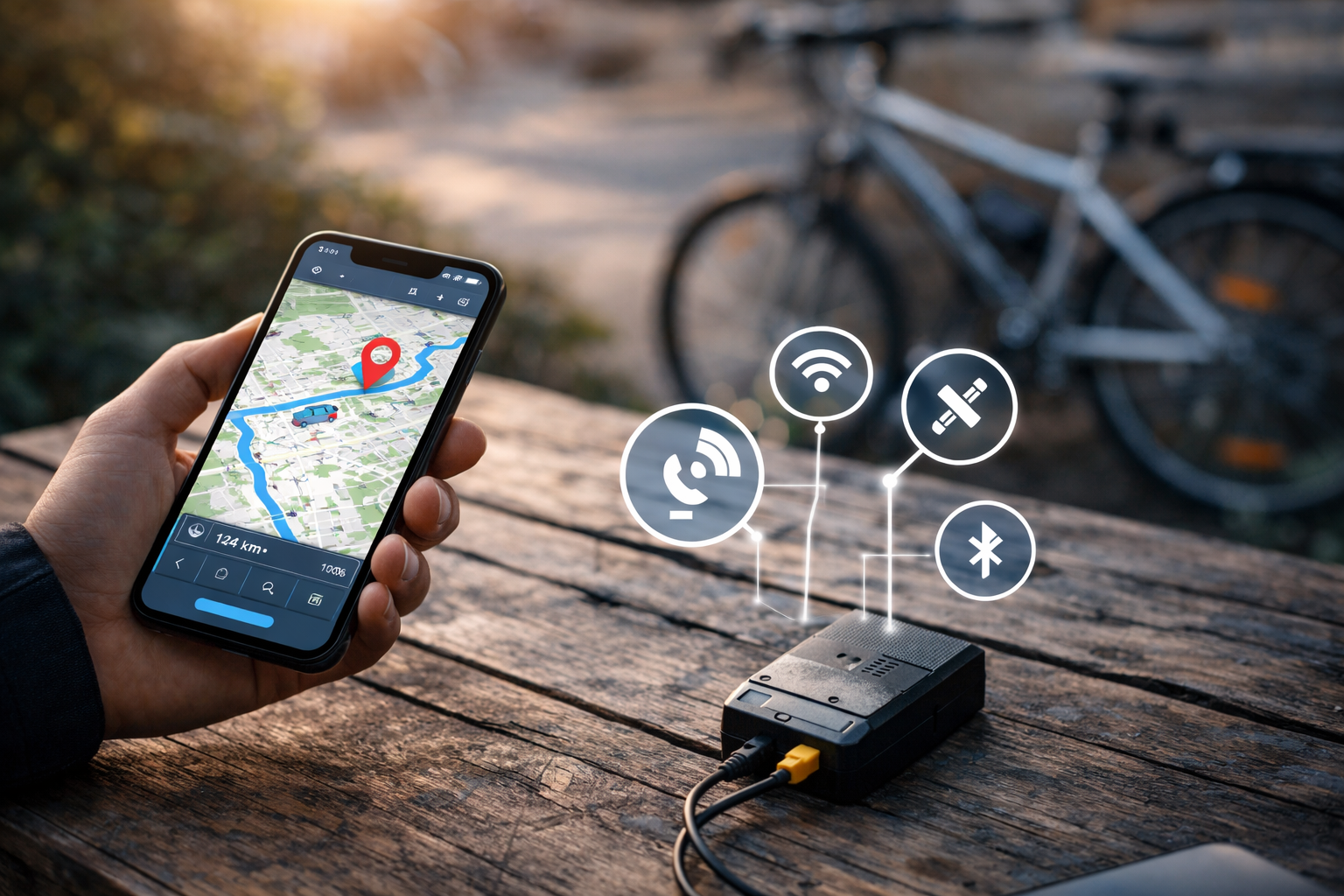
A GPS tracker receives signals from a global satellite network orbiting the Earth. By measuring the time it takes for a signal to travel from a satellite to the device, the distance to each satellite can be calculated. From at least three such distances, the precise location is determined via triangulation.
CEP – Circular Error Probable
CEP is the standard measure of the positioning accuracy of a GPS system. It describes the radius of a circle around the actual location within which 50% of all measured positions fall. A CEP of 5 metres therefore means: half of all measurements lie within a 5-metre radius of the true location.
The smaller the CEP value, the more precise the system. The calculation is based on statistical methods and takes into account the measurement radius and the standard deviation of the position data.
Factors Affecting Accuracy
Various factors can impair measurement accuracy: buildings, trees and other obstacles reflect or distort satellite signals, causing positional errors. Using multiple navigation systems simultaneously – GPS + GLONASS + Galileo – significantly reduces these errors and improves precision in challenging environments.
Applications of GPS Trackers
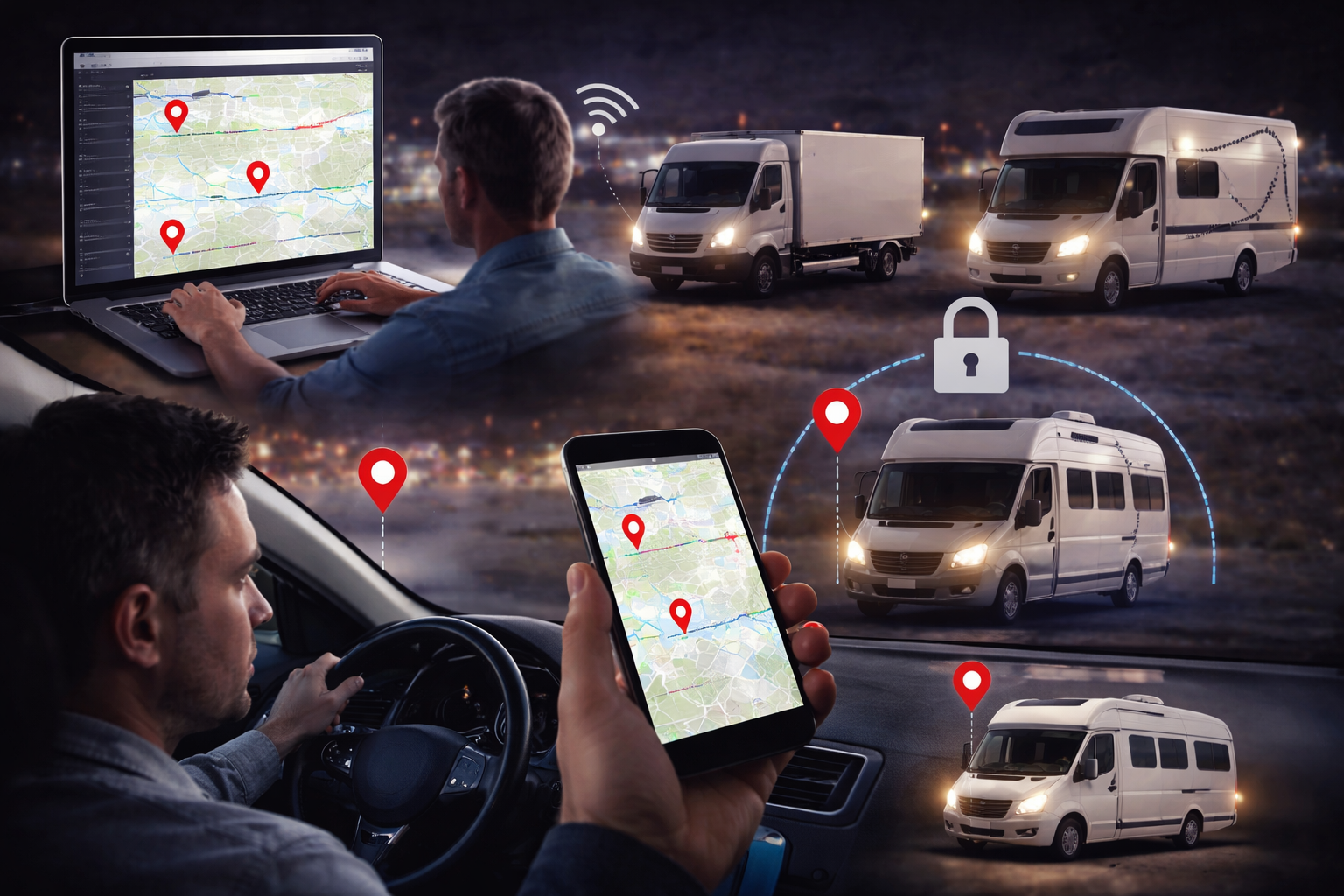
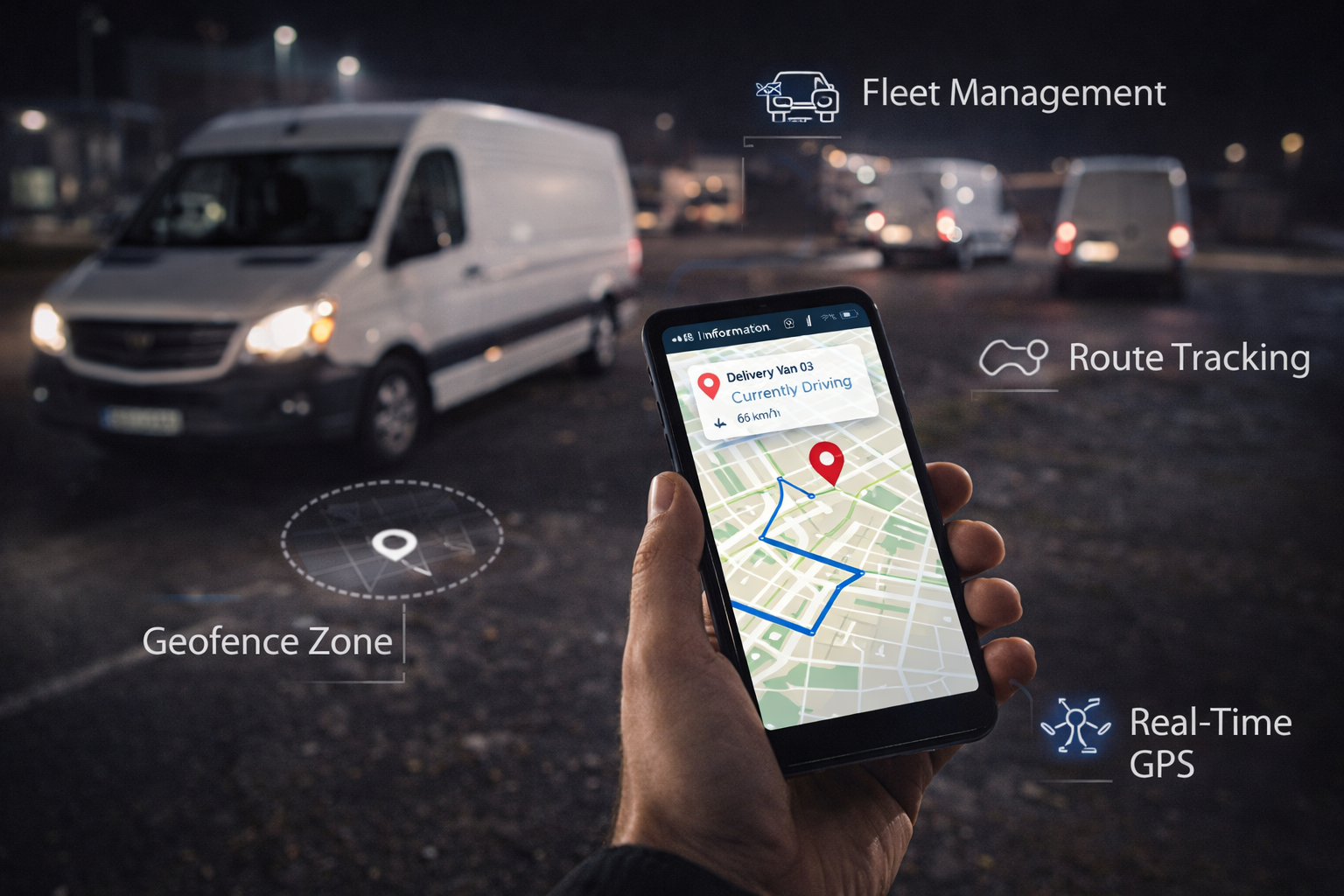
Vehicle Monitoring and Fleet Management Companies track the position of their vehicles in real time, optimise routes and analyse driving performance – improving efficiency, safety and reducing operating costs.
Personal Safety Parents monitor their children's whereabouts; rescue services quickly locate missing persons. Wearable GPS devices provide additional security for elderly people or those with special needs.
Logistics and Supply Chains GPS trackers enable seamless shipment tracking during transport – for on-time deliveries and transparent supply chain management.
Sport and Leisure Athletes record routes, analyse training data and optimise their performance using precise GPS recordings.
Animal Tracking Pet owners prevent their animals from getting lost; researchers monitor wildlife and study movement patterns in their natural habitat.
Technological Developments and Future Fields
Smart Cities In intelligent cities, GPS trackers coordinate urban infrastructure, traffic flows and public safety services – for more efficient resource use and a better quality of life.
Autonomous Driving Self-driving vehicles require highly precise real-time positioning for safe and efficient navigation. Improved CEP values through new algorithms and hardware are a fundamental prerequisite for this.
Drones and Aviation Precise GPS trackers are essential for the safe operation of delivery drones, surveillance flights and other aviation applications.
IoT Integration The integration of GPS trackers into IoT ecosystems (Internet of Things) opens up new application areas – from networked vehicle fleets to sensor-controlled urban infrastructure.
Conclusion
GPS trackers and the CEP value form the foundation of modern tracking technology. Despite challenges from signal interference, combined systems using GPS, GLONASS and Galileo deliver impressive precision today. As algorithms and hardware continue to advance and IoT integration grows, GPS trackers will enable even more accurate and reliable positioning in the future – an indispensable foundation in an increasingly connected world.