GPS Tracking and SNR - Signal-to-Noise Ratio for Precise Positioning
GPS Tracking and SNR – the signal-to-noise ratio (SNR) is a key factor in the accuracy of modern GPS trackers. The higher the SNR, the clearer and more reliable the received GPS signal, and the more precise the position determination.
Anyone using a GPS tracker for vehicles, fleets or mobile objects benefits directly from a high SNR – especially in challenging environments such as urban areas, tunnels or densely forested regions.
What is the Signal-to-Noise Ratio (SNR)?
The signal-to-noise ratio, or SNR, measures the ratio between the strength of the received GPS signal and the background noise in the surrounding environment. It is typically expressed in decibels (dB).
A high SNR value means the GPS signal is significantly stronger than the noise – the result is precise and reliable position determination. A low SNR value, on the other hand, can lead to inaccurate position data or even complete signal loss.
Factors Affecting SNR:
- Quality of the GPS receiver in the tracker
- Direct line of sight to GPS satellites
- Atmospheric conditions
- Surrounding buildings, structures or vegetation
- Electromagnetic interference in the vicinity
How Does SNR Affect GPS Tracking?
SNR has a direct influence on how accurately a GPS tracker can determine the position of a vehicle or object. Modern GPS trackers continuously evaluate the SNR and automatically select the satellites with the strongest signals for position calculation.
Impact of SNR on Tracking Quality:
- High SNR – precise position data, fast signal acquisition, reliable tracking
- Medium SNR – sufficient accuracy under normal conditions
- Low SNR – inaccurate position data, delayed updates, possible signal loss
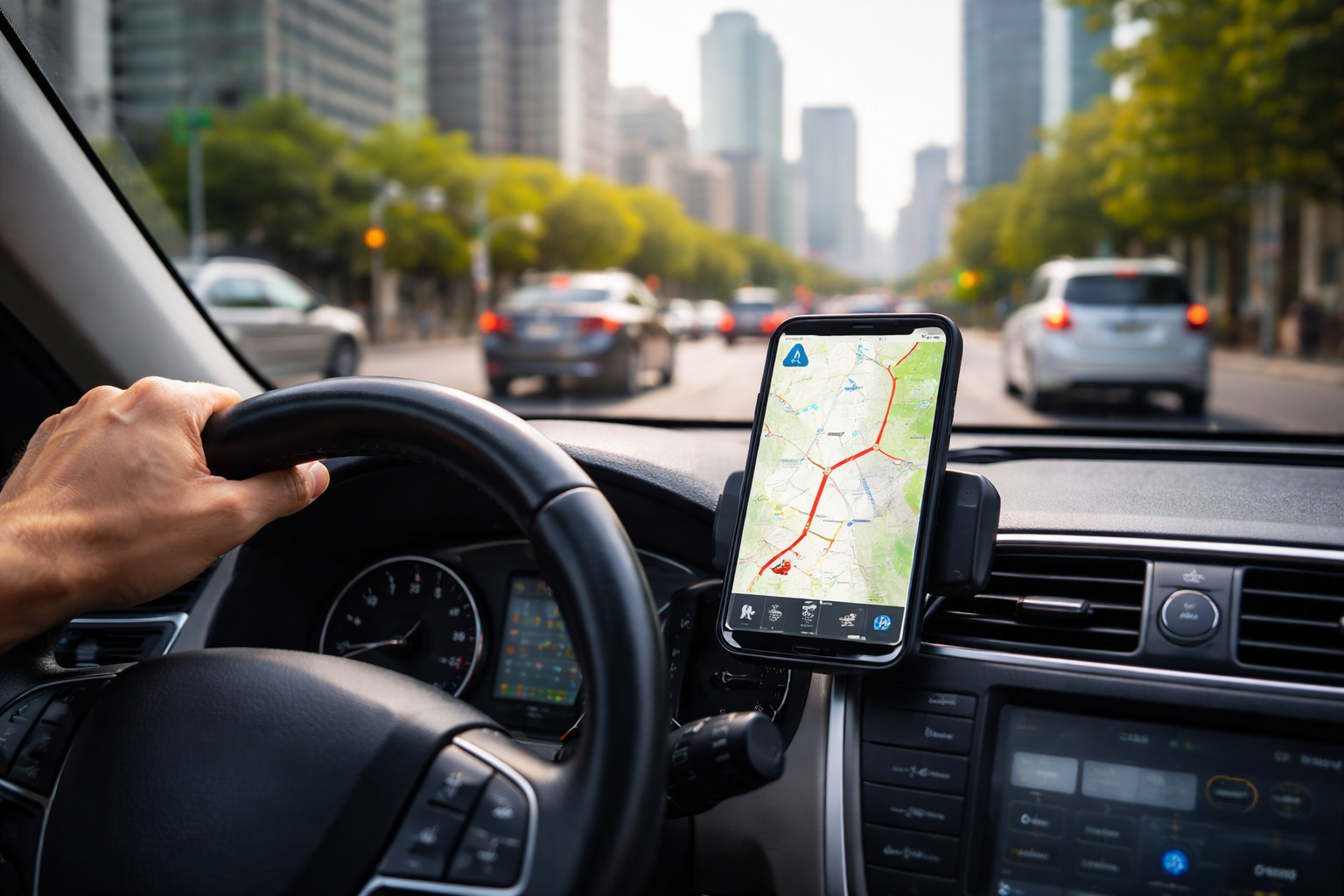
Particularly in urban areas with tall buildings or in forests where the GPS signal is blocked, good SNR management is essential for reliable tracking results.
How Does a GPS Tracker Work?
A GPS tracker receives signals from multiple GPS satellites simultaneously. The tracker calculates the exact position of the device from the travel time of these signals. The SNR determines which satellite signals are used for the calculation.
The Tracking Process at a Glance:
- GPS receiver picks up signals from satellites
- SNR of each signal is evaluated
- Signals with the best SNR are selected for position calculation
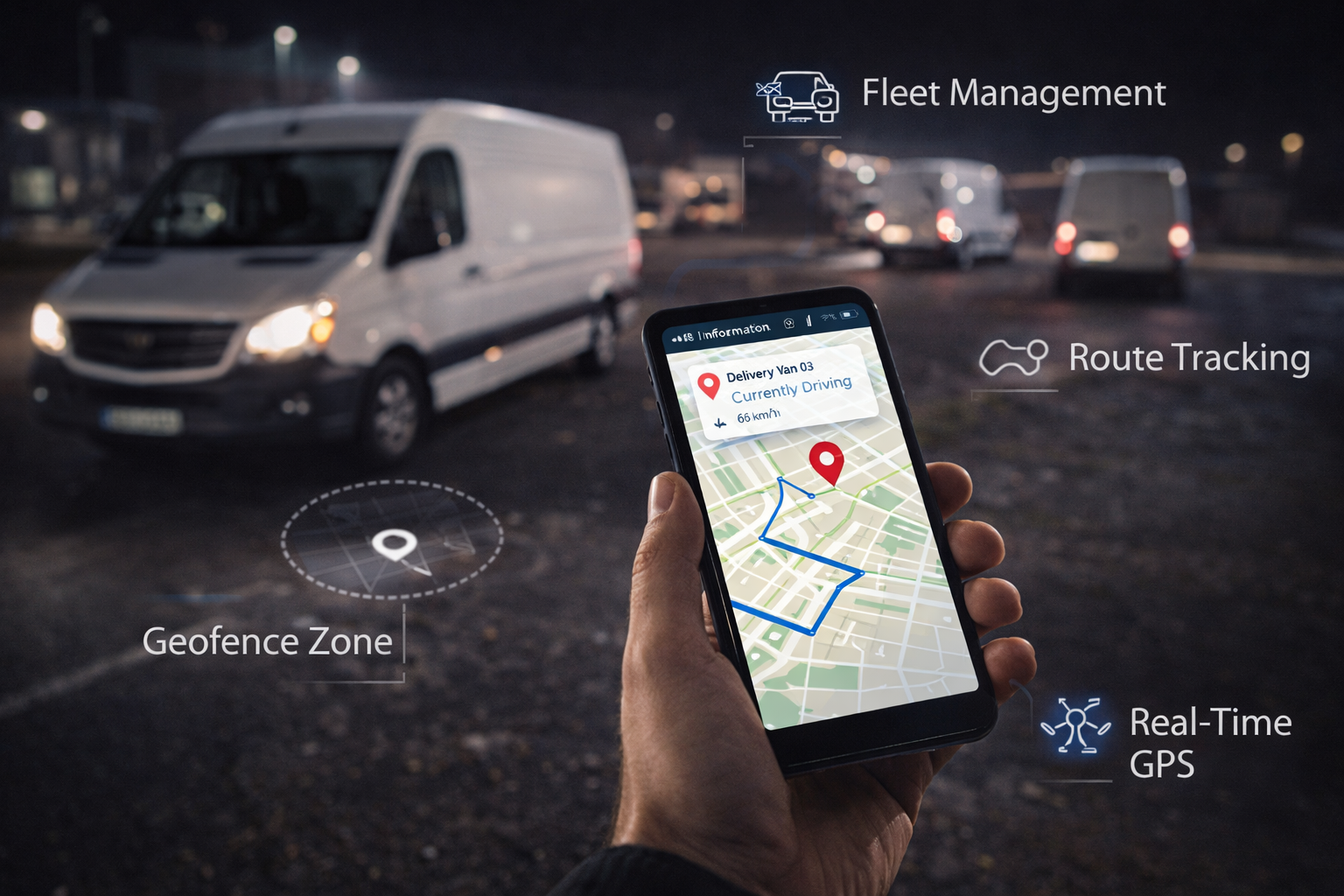
- Position is calculated and transmitted via mobile network
- Location data appears in real time in the app or portal
SNR Optimization in Modern GPS Trackers
Manufacturers of high-quality GPS trackers use various techniques to maximize the SNR and ensure reliable tracking even under unfavorable conditions.
Techniques for Improving SNR:
- Advanced antenna designs – optimal signal reception from all directions
- Signal processing algorithms – intelligent filtering of weak or disrupted signals
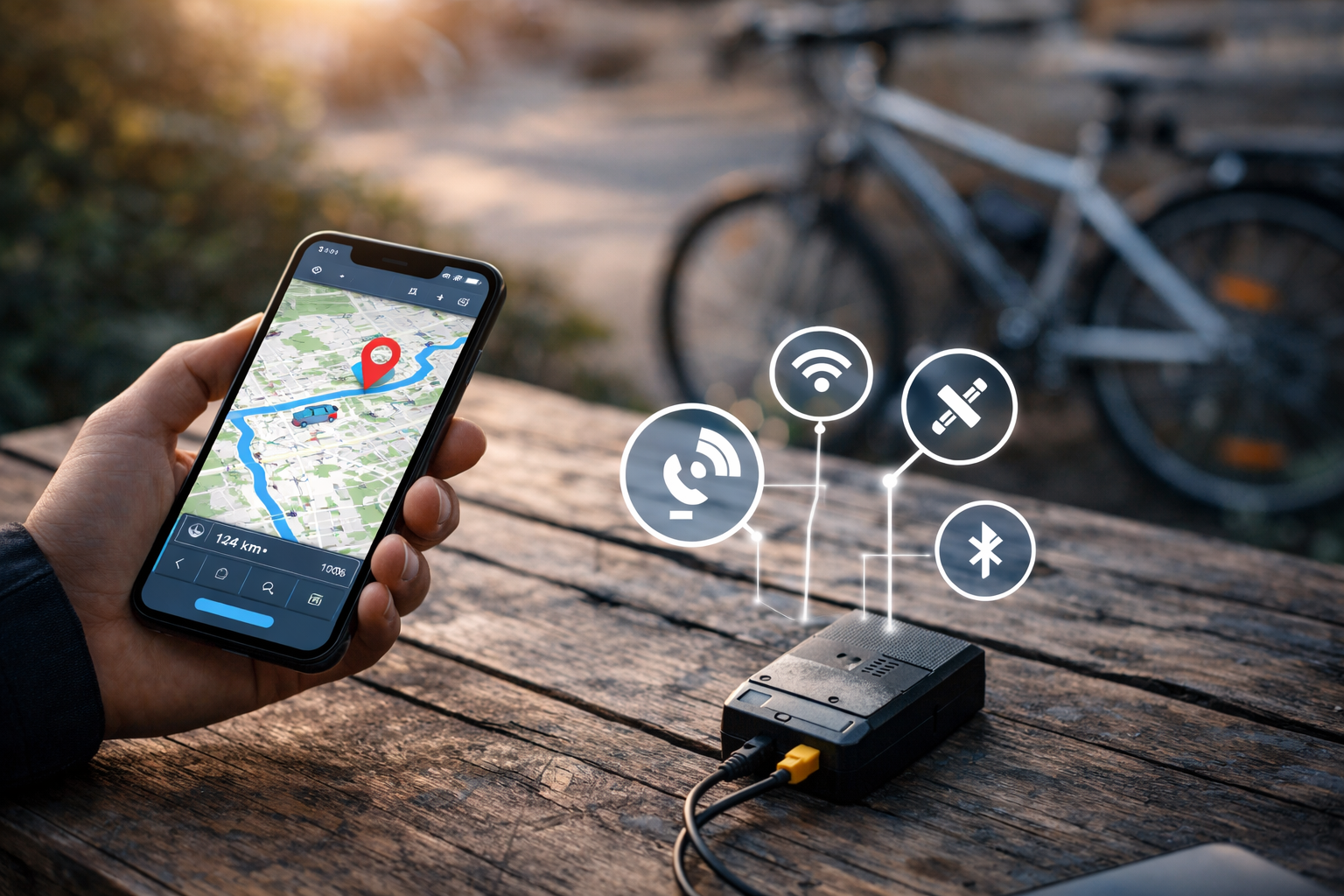
- Multi-GNSS reception – use of multiple satellite systems (GPS, GLONASS, Beidou) for more available signals
- Adaptive sensitivity – automatic adjustment to ambient conditions
SNR and GPS Tracking at Jumbo Ortung
The GPS trackers from Jumbo Ortung are equipped with sensitive receivers that maintain a high SNR even under difficult conditions. This ensures reliable position data – whether in the city, on the motorway or in remote areas.
Benefits for Vehicle Tracking:
- Precise position determination thanks to optimized SNR management
- Reliable tracking even in urban environments and underground car parks
- Fast signal acquisition through multi-GNSS support
- Real-time transmission of location data to app and portal
- Data archiving for up to 18 months
Conclusion: SNR is Essential for Precise GPS Tracking
GPS Tracking and SNR are inseparably linked. A high SNR value is the foundation for accurate, reliable and uninterrupted tracking data – regardless of the environment or weather conditions.
The Combination of:
- High-quality GPS receiver with optimized SNR
- Intelligent signal selection and processing
- Multi-GNSS support for maximum coverage
- Real-time transmission of position data
- Reliable tracking even under difficult conditions
makes modern GPS trackers the ideal solution for precise vehicle and object tracking.
Have questions? Give us a call: