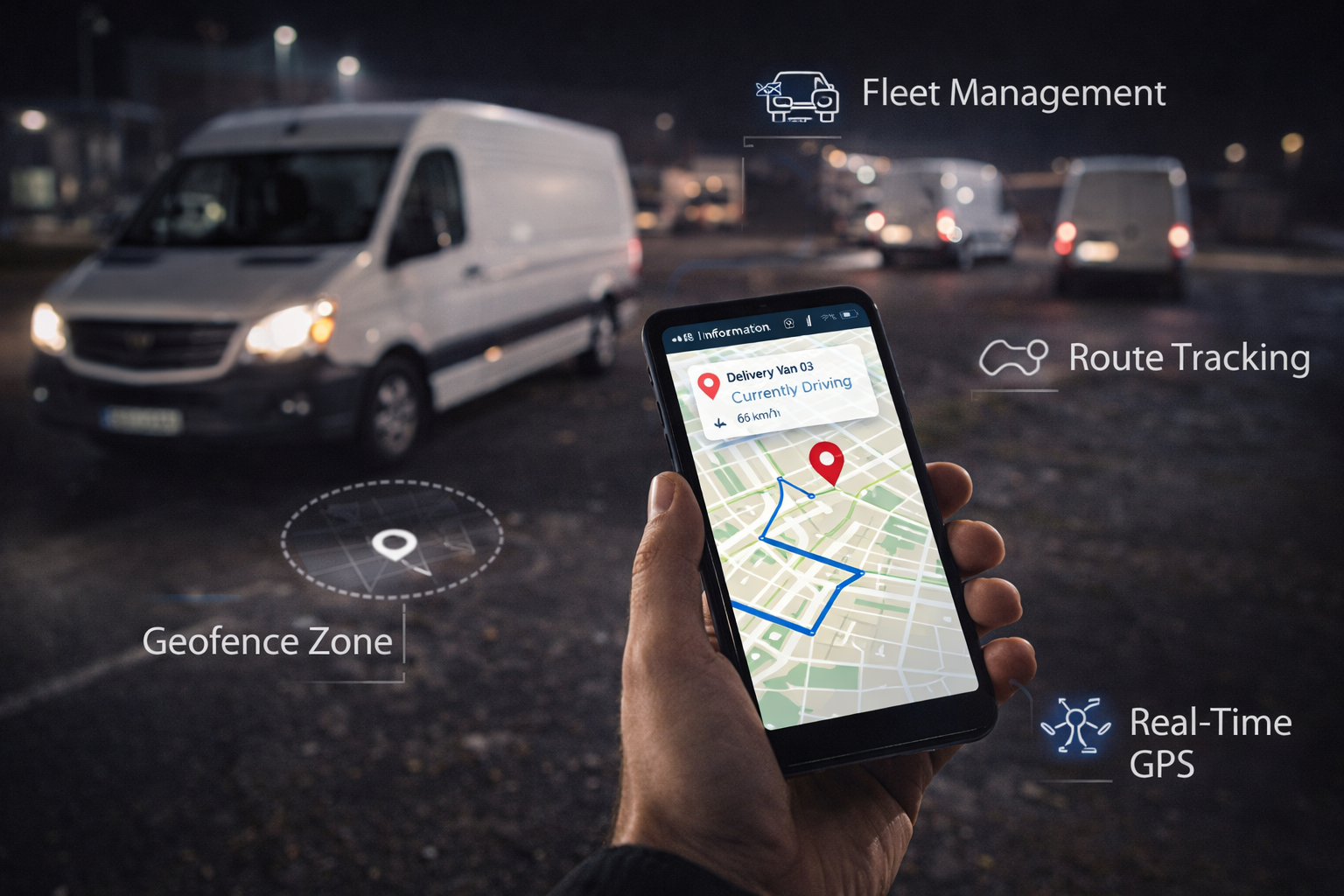
Live Tracking via GPS Trackers in Ambulances – A Revolution in Emergency Care
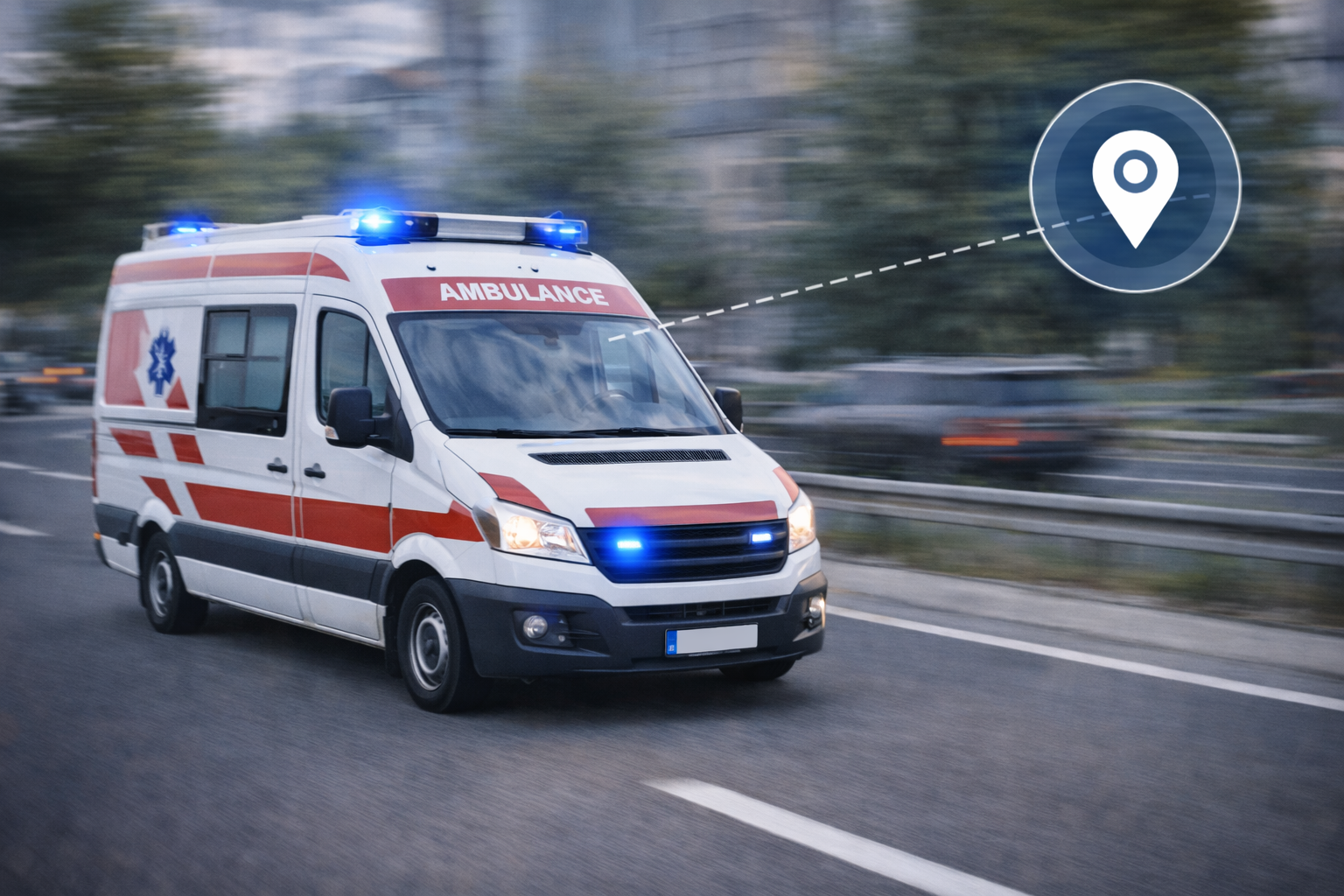
The introduction of live tracking systems in ambulances represents a paradigm shift in emergency care. GPS tracking devices operating in real time have become an indispensable tool for efficient and effective medical emergency responses – with the potential to revolutionise the entire system of emergency care.
Immediate Localisation and Rapid Deployment
Live tracking allows dispatch centres to monitor the position of every ambulance in their area in real time. This is crucial for the immediate assignment of the nearest available vehicle to an emergency. The ability to respond quickly to unforeseen changes and reroute the closest available vehicle has the potential to significantly increase patients' chances of survival.
Route Optimisation Through Live Tracking
GPS trackers not only provide location data but also analyse traffic flows and current road conditions. Ambulance drivers can therefore dynamically select the optimal route to the scene, avoid delays and provide help as quickly as possible. The ability to adapt to rapidly changing traffic conditions is an invaluable advantage – particularly in urban areas with high traffic volumes.
Safety Net for Medical Personnel
The work of emergency services carries significant risks, especially when operating in remote or dangerous areas. Live GPS tracking ensures continuous monitoring of all vehicles – not only guaranteeing the safety of personnel, but also simplifying the management and coordination of support measures in the event of an incident.
Coordination and Communication with Hospitals
The use of live tracking technology strengthens communication between ambulances, the dispatch centre and the receiving hospitals. The centre can communicate precise arrival times, enabling receiving clinics to prepare in good time – from making treatment rooms available to alerting specialist teams. This increased transparency significantly improves the overall efficiency of medical emergency care.
Cost Efficiency and Strategic Resource Allocation
GPS-based live tracking enables in-depth analysis of operational data, leading to optimised resource allocation. Usage patterns help to maximise ambulance availability, reduce unnecessary empty runs and lower operating costs. Efficient resource use also improves vehicle maintenance and extends the service life of the fleet.
Compliance with Legal Documentation Requirements
Live tracking makes it easier for emergency services to comply with the legal requirements for accurate documentation of emergency trips. GPS data provides irrefutable evidence of routes, deployment times and vehicle locations – particularly valuable in legal investigations, insurance claims or official audits.
Conclusion
The integration of GPS trackers with live tracking capabilities into ambulances is fundamentally transforming emergency medicine. This technology improves response times, enhances staff safety, optimises resource use and ensures seamless communication between all parties involved. Live tracking in emergency services is therefore not just an operational advantage – it is a direct contribution to improving patient care.